A year-round mindset for California plumbing
California homeowners benefit from a simple, proactive approach. Seasonal checks keep your system running smoothly no matter the season. Across the state, weather variations can affect pipes, drains, and water use. A steady, practical routine beats last-minute fixes every time.
California Emergency Plumbing serves crews across the state, ready to handle seasonal shifts in water demand, temperature, and soil moisture. A consistent plan keeps backups and leaks from sneaking up when you least expect them.
Spring and fall: prep the home for changes
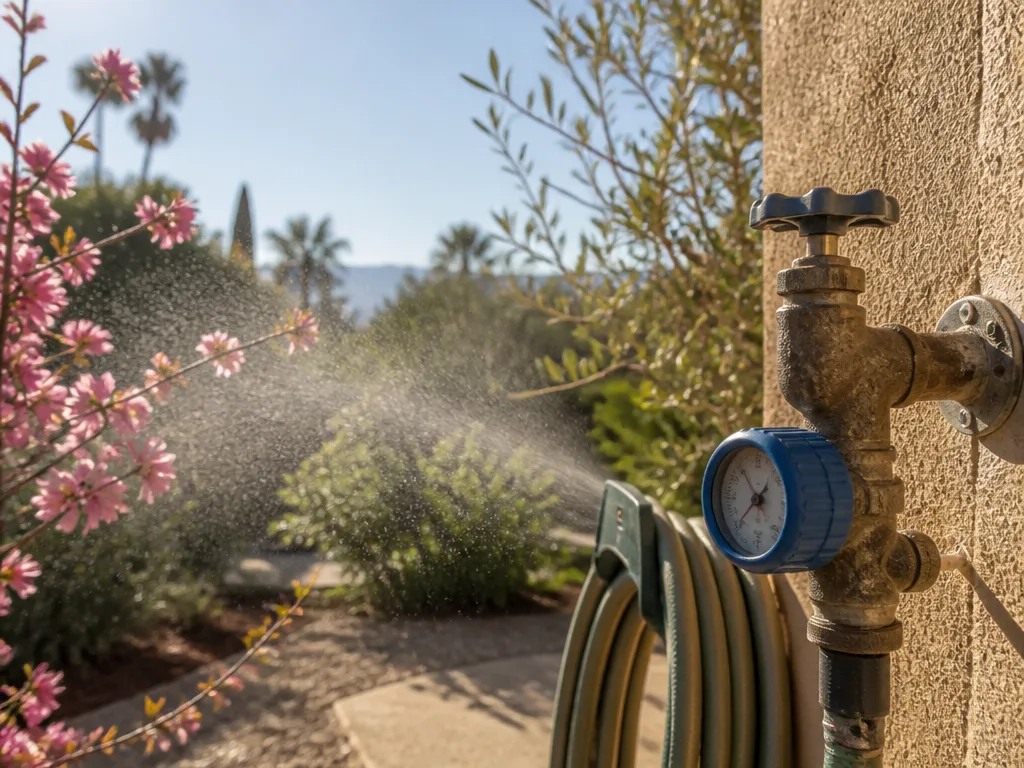
Spring brings heavier irrigation use in many areas. Inspect outdoor hoses, spigots, and any irrigation lines for cracks or leaks. A small drip can turn into a big bill if ignored. In fall, check for frozen pipes in cooler regions and ensure exterior openings are well insulated. A little prevention goes a long way across California.
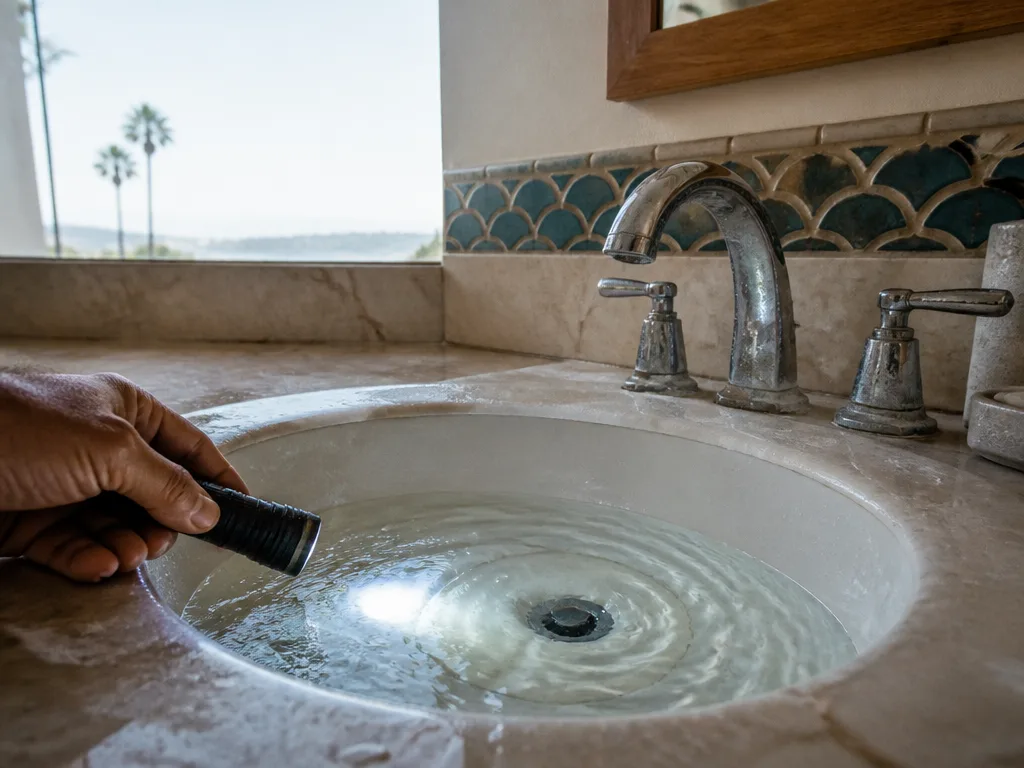
Our plumbers recommend a quick system check each season: look for unusual sounds from drains, test the toilets for steady flushing, and listen for leaks around fixtures. A little time now saves more later in the year.
Summer heat and winter rains, what to watch
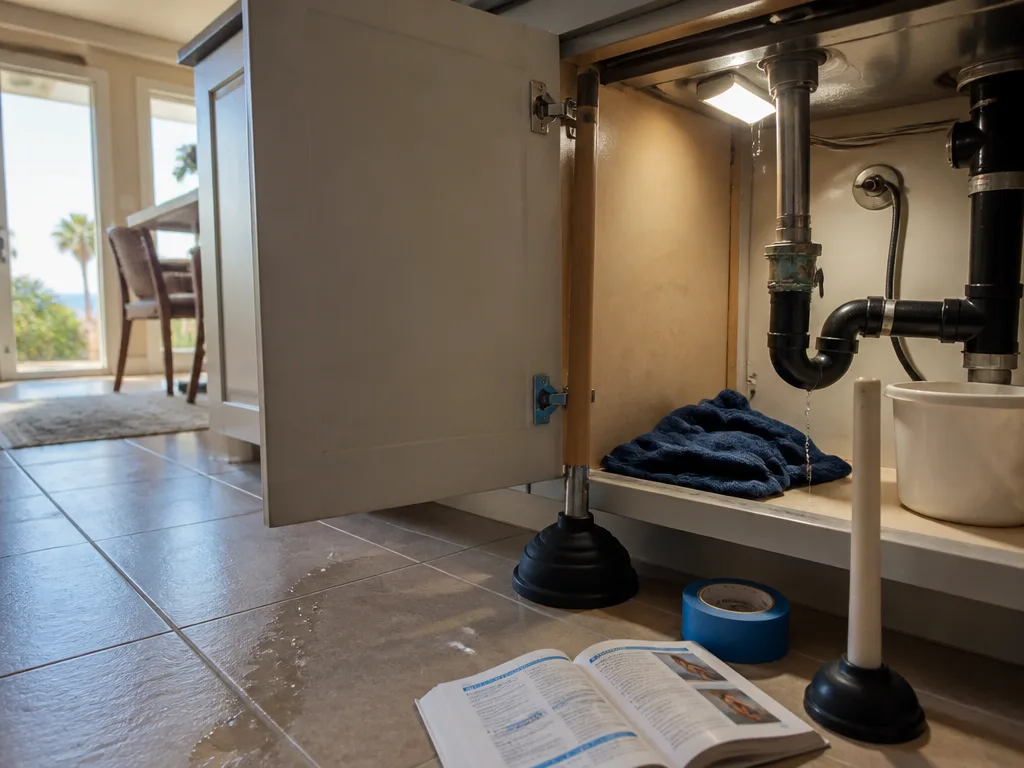
Hot California summers can increase demand on the water heater and pressure systems. If you notice additional utility bills or inconsistent hot water, ask a plumber to inspect the heater and lines. Winter rains bring more pressure on sewer lines in some regions. If you detect foul smells or damp spots, don’t wait, call a plumber to assess the line and venting.
We tailor seasonal checks to California homes, not one-size-fits-all advice. Our team balances efficiency with reliability, keeping your system calm through changing weather patterns.
What a seasonal check includes
A typical seasonal check from California Emergency Plumbing covers: inspecting exposed pipes for corrosion, testing for leaks, checking pressure and flow, and ensuring drains are clear. We’ll point out easy fixes you can handle and those that should wait for a pro. We’ll also discuss aging components and when replacements might be the best long-term choice for your home.